
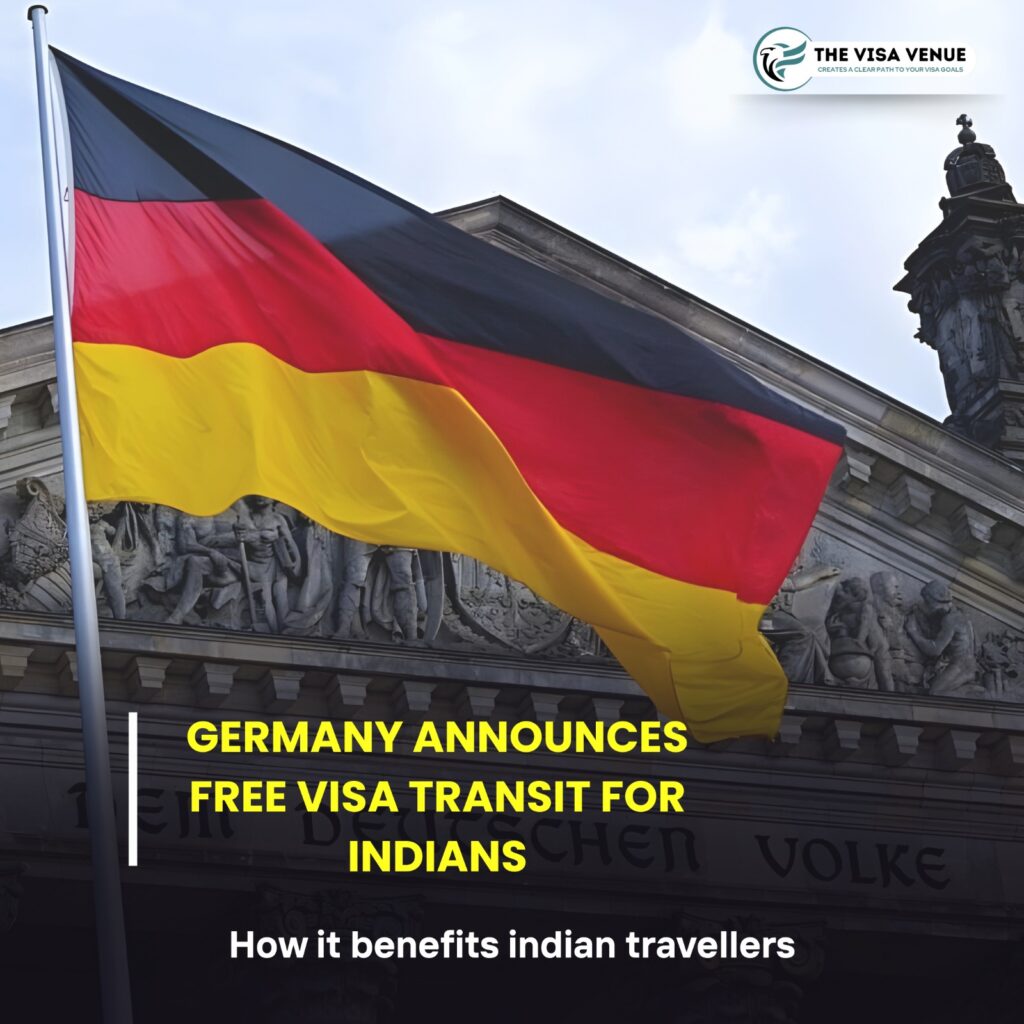
If you’re an Indian passport holder who frequently travels internationally, here’s news that will make your journey significantly easier. Germany has announced a major policy change that eliminates the airport transit visa requirement for Indian travelers connecting through German airports. This development marks a significant shift in European travel regulations and opens up smoother pathways for Indians traveling to destinations across the globe.
What Has Changed?
Germany has officially removed the airport transit visa (ATV) requirement for Indian passport holders transiting through German airports. Previously, Indian travelers needed this special visa even if they were simply changing flights at German hubs and never planned to leave the airport’s international transit area. This requirement added extra paperwork, fees, and processing time to travel plans.
Under the new policy, Indian passport holders can now transit through major German airports like Frankfurt, Munich, and Berlin without obtaining a separate transit visa, provided they remain within the designated transit zone of the airport. This means you can book connecting flights through Germany without the additional bureaucratic hurdle that previously complicated travel plans.
Understanding Airport Transit Visas

An airport transit visa is a special type of visa that allows travelers to pass through the international zone of an airport while waiting for a connecting flight to their final destination. Importantly, this visa does not permit the holder to enter the country or leave the airport’s transit area.
Before this change, citizens from certain countries, including India, were required to obtain an ATV even for brief layovers in German airports. This requirement applied regardless of whether travelers intended to leave the airport or simply wanted to catch a connecting flight. The process involved submitting applications, paying fees, and waiting for approval, which could take several days or even weeks.
The removal of this requirement places Indian travelers on equal footing with citizens of many other nations who already enjoyed transit privileges through German airports.
Which German Airports Does This Apply To?
The new policy applies to all German airports, but the change is particularly significant for the country’s major international hubs:
Frankfurt Airport (FRA) is Germany’s busiest airport and one of Europe’s most important aviation hubs. It serves as a connecting point for flights between Asia, Americas, Africa, and Europe. With this visa exemption, Indian travelers can now seamlessly connect through Frankfurt to hundreds of destinations worldwide.
Munich Airport (MUC) is Germany’s second-largest airport and a major hub for Lufthansa. The airport connects travelers to destinations across Europe, North America, and Asia. Indian passengers can now transit through Munich without additional visa formalities.
Berlin Brandenburg Airport (BER) serves Germany’s capital and is an increasingly important hub for both European and intercontinental flights. The visa exemption makes Berlin an attractive transit option for Indian travelers heading to various European destinations.
Other German airports like Düsseldorf, Hamburg, and Cologne also benefit from this policy change, though they handle fewer international transit passengers compared to the major hubs.
What This Means for Indian Travelers
This policy change brings several practical benefits that will be immediately felt by Indian passport holders planning international travel.
Simplified Booking Process: You can now book flight itineraries with connections through Germany without worrying about transit visa applications. This expands your options when searching for the best routes and prices for international travel. Airlines often offer competitive pricing on routes that connect through their hub airports, and German hubs are now more accessible than ever.
Time and Cost Savings: The elimination of the transit visa requirement saves both time and money. You no longer need to pay visa application fees, gather supporting documents, or wait for visa processing. This is particularly valuable for last-minute travel plans or when you find attractive flight deals with German connections.
More Flexible Travel Routes: With easier transit through Germany, you have greater flexibility in planning multi-city trips or choosing optimal connections. German airports are strategically located and well-connected to destinations worldwide, making them excellent transit points for journeys to the Americas, Africa, and other parts of Europe.
Reduced Travel Stress: The administrative burden of obtaining a transit visa often created uncertainty and stress for travelers. Questions about processing times, approval chances, and application requirements can now be set aside for German transits, making the entire travel experience more straightforward and less anxious.
Important Conditions and Requirements
While this change is significant, travelers should understand the specific conditions that apply:
Stay in the Transit Zone: The visa exemption only applies if you remain within the international transit area of the airport. If you plan to leave the airport, enter Germany, or collect checked baggage and re-check it, you may still need a regular Schengen visa.
Onward Ticket Required: You must have a confirmed onward ticket to your final destination. Immigration officials may check that you have valid travel documents and a legitimate reason for transit.
Valid Passport: Your Indian passport must be valid for at least three months beyond your intended departure from the Schengen area. Ensure your passport meets standard international travel requirements.
Destination Visa Requirements: While you don’t need a German transit visa, you must still hold any necessary visas or entry permissions for your final destination. This policy change only affects transit through Germany, not entry requirements for other countries.
Duration Limits: Transit typically means short layovers, usually within 24 hours. Extended layovers or overnight stays in the transit area should generally be fine, but extremely long waits might raise questions.
Comparing with Other European Countries
This move by Germany brings Indian travelers in line with transit policies in several other European countries. For instance, the Netherlands, France, and Belgium also allow Indian passport holders to transit without an airport transit visa under similar conditions.
However, some European countries still maintain transit visa requirements for Indian citizens. It’s essential to check the specific requirements of any country through which you’ll be transiting. The rules can vary significantly between different European nations, and what applies in Germany may not apply elsewhere.
This policy change could potentially influence other European countries to reconsider their transit visa requirements for Indian travelers, especially as they see the positive impact on aviation connectivity and tourism.
Practical Tips for Transiting Through Germany
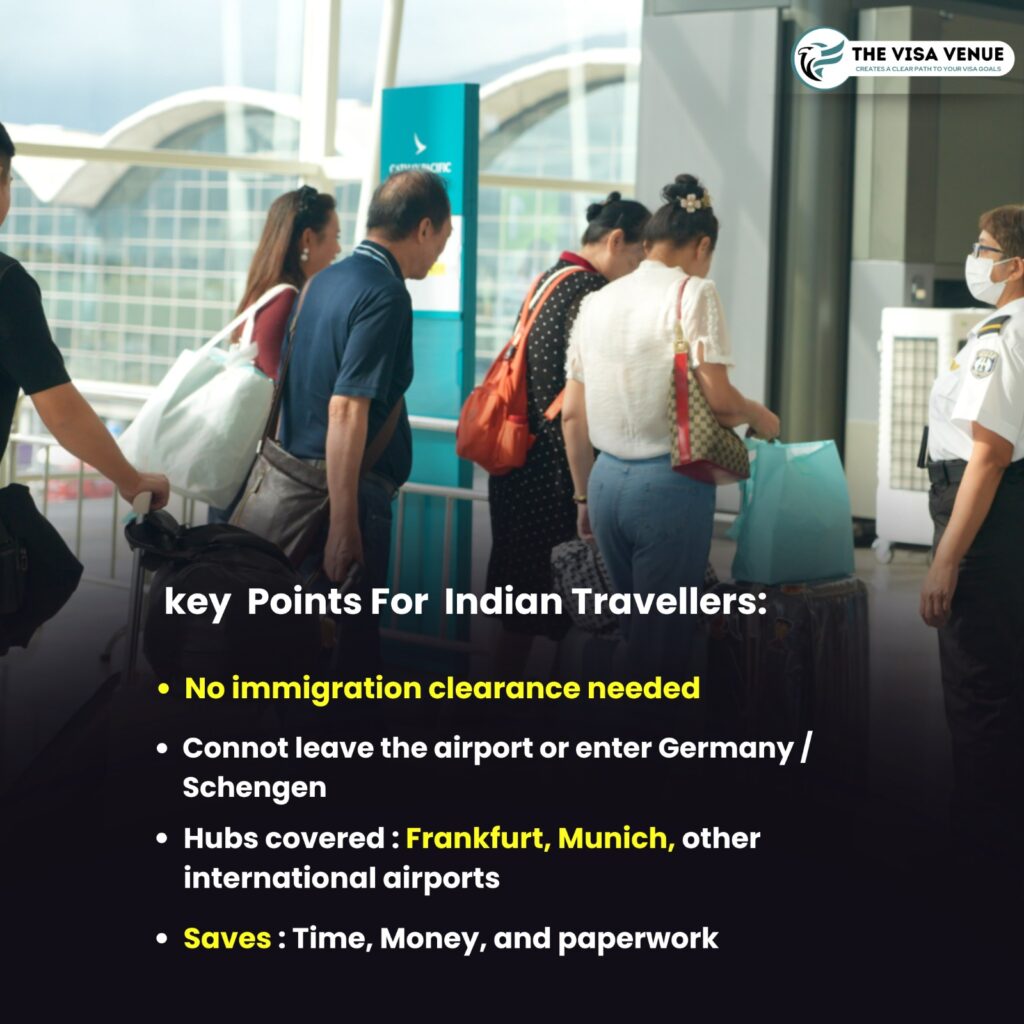
To make the most of this new policy and ensure smooth transit through German airports, keep these practical tips in mind:
Verify Your Itinerary: When booking flights, confirm that your itinerary qualifies as a transit. Both flights should be on the same ticket or properly coordinated, and your layover should be reasonable in length.
Keep Documents Accessible: Have your passport, boarding passes, and any destination country visas readily available. While you won’t need a transit visa, immigration officials may still verify your documents.
Allow Sufficient Connection Time: German airports are large and efficient, but international connections require time. Allow at least 90 minutes to two hours for connections, more if switching terminals.
Check Baggage Through: Whenever possible, check your baggage through to your final destination. If you need to collect and re-check baggage, you might need to clear immigration, which would require a Schengen visa.
Stay Informed About Transit Areas: Familiarize yourself with the layout of the airport where you’ll transit. Most German airports have clear signage directing transit passengers to their connecting flights.
What This Signals for India-Germany Relations
This policy change reflects the growing ties between India and Germany. As economic, educational, and tourism connections strengthen between the two nations, travel facilitation becomes increasingly important. Germany has been actively seeking to attract Indian tourists, students, and business travelers, and removing bureaucratic barriers is a step in that direction.
The decision also acknowledges the significant contribution of Indian travelers to global aviation and the economic benefits that come from facilitating easier travel. With India’s growing middle class and increasing international travel, policies that simplify transit can have substantial economic implications for hub airports and airlines.
Looking Ahead
This development is part of a broader trend toward visa liberalization and travel facilitation. As countries recognize the economic and diplomatic benefits of easier travel, we may see more such positive changes in the future.
For Indian travelers, this means expanding opportunities to explore the world with fewer bureaucratic hurdles. While a full visa waiver for entering Germany or the Schengen area isn’t on the immediate horizon, changes like this transit visa exemption represent meaningful progress.

The Bottom Line
Germany’s decision to eliminate the airport transit visa requirement for Indian passport holders is excellent news for travelers. It simplifies international journeys, expands routing options, saves time and money, and reduces travel-related stress. Whether you’re flying to the Americas, Europe, or Africa, German airports now offer hassle-free transit opportunities that were previously complicated by visa requirements.
As you plan your next international trip, consider the advantages of routing through Frankfurt, Munich, or Berlin. With this new policy in place, these world-class airports are more accessible than ever for Indian travelers seeking efficient, comfortable connections to destinations around the globe.
Remember to stay informed about entry requirements for your final destination, keep your travel documents organized, and enjoy the simplified travel experience that this policy change brings. Safe travels!
Conclusion
Germany’s elimination of the airport transit visa requirement for Indian passport holders marks a significant milestone in making international travel more accessible and convenient. This policy change removes a major bureaucratic hurdle that previously complicated journey planning and added unnecessary costs and delays.
For Indian travelers, the benefits are immediate and practical. You can now transit through Frankfurt, Munich, Berlin, and other German airports without the hassle of obtaining a separate visa, as long as you stay within the international transit zone. This opens up more flight options, potentially better prices, and greater flexibility in planning your international trips.
The key takeaways are simple: book your connecting flights through Germany with confidence, ensure you have valid travel documents for your final destination, stay within the transit area, and allow sufficient time between connections. These straightforward conditions make German airports attractive and efficient transit hubs for journeys worldwide.
This change reflects the strengthening relationship between India and Germany and signals a positive trend toward easier international travel. As more countries recognize the value of facilitating smooth transit for travelers, we can hope for additional improvements in global mobility.
Whether you’re traveling for business, education, tourism, or visiting family abroad, this policy change makes your journey simpler. German airports are now truly open transit gateways for Indian passport holders, connecting you to hundreds of destinations with one less worry on your travel checklist.
Plan your next trip with these new transit privileges in mind, and experience the convenience of hassle-free connections through one of Europe’s most efficient aviation networks. The world just became a little more accessible for Indian travelers. Safe and happy travels.
