
There’s a moment that happens to every traveler in Japan. For me, it occurred on a quiet morning in Kyoto, watching a woman in a perfect silk kimono navigate cobblestone streets with her smartphone, passing a 400-year-old temple before ducking into a convenience store where a robot greeted her. Past and future, colliding seamlessly, creating something that exists nowhere else on Earth.
Japan doesn’t just invite you to visit—it challenges everything you thought you understood about how a society can function, how beauty can be pursued, how respect can be practiced, and how tradition and innovation can not just coexist but strengthen each other.
I’ve built a career exploring seventy-eight countries across six continents, but Japan remains the place that most fundamentally altered my understanding of what’s possible. This isn’t hyperbole. This is what happens when you encounter a culture that has spent centuries refining the art of being deliberate.
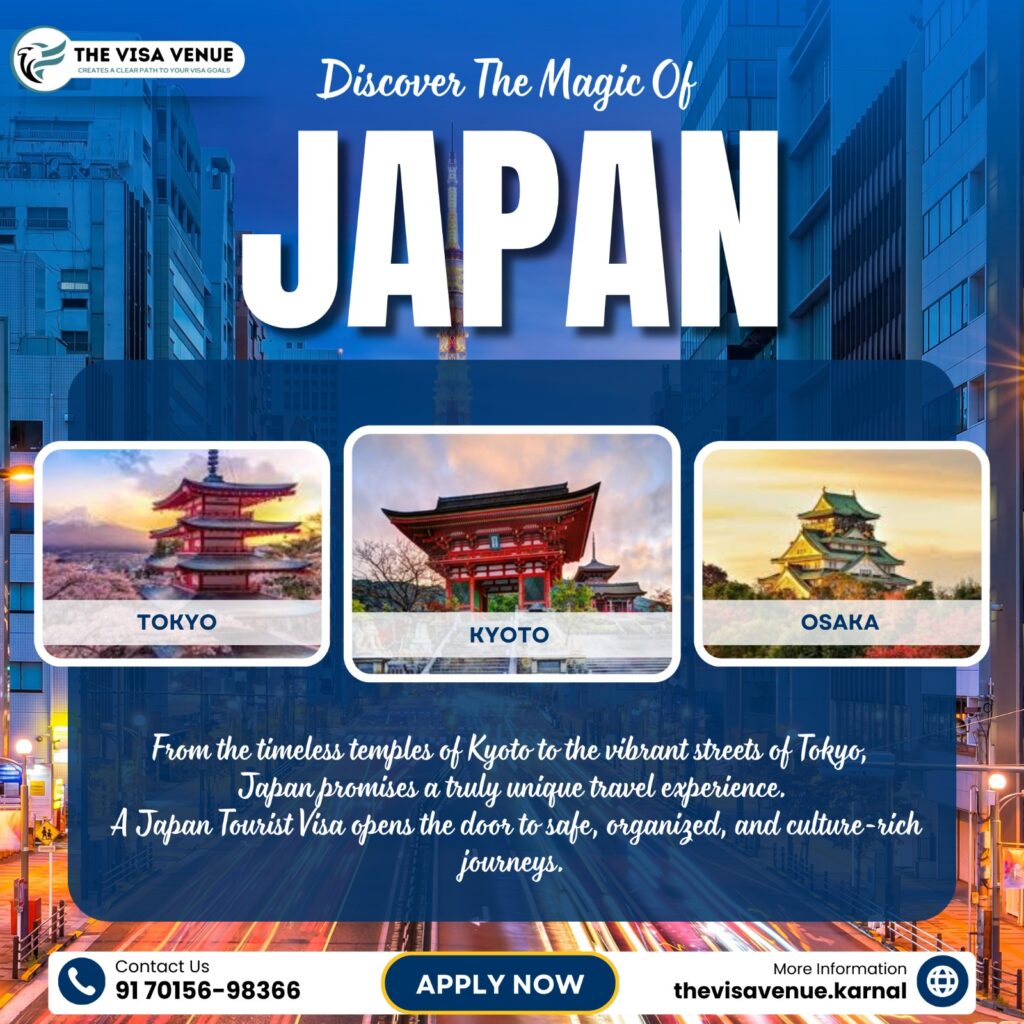
Why Japan Deserves Your Undivided Attention
Let me be honest about something most travel writers won’t tell you: Japan is not easy. The language barrier is real. The cultural codes are complex. The expense can be shocking. Your comfort zone will be tested daily.
And that’s precisely why you must go.
The Perfection Principle
Japan operates on a standard of excellence that would exhaust most other cultures. The Tokyo Metro runs with such precision that a train arriving twenty seconds late triggers formal apologies. Sushi chefs spend ten years just learning to properly prepare rice before touching fish. Garden designers contemplate single stone placements for weeks.
This isn’t obsessiveness—it’s kodawari, an untranslatable term meaning relentless devotion to one’s craft. You’ll taste it in every meal, see it in every interaction, feel it in the way even the most mundane objects are designed with thoughtfulness that borders on spiritual.
The Safety Paradox
Tokyo, a metropolitan area of 38 million people, has less crime than most cities of 100,000 elsewhere. Children as young as six navigate subway systems alone. You can walk through parks at midnight without glancing over your shoulder. Wallets left in public places are routinely returned, cash intact.
For Indian travelers accustomed to constant vigilance about belongings and safety, Japan offers a disorienting freedom. You can actually relax, focus entirely on experience rather than security. This psychological shift opens space for the kind of deep immersion that’s impossible when you’re always half-worried about your surroundings.
The Aesthetic Revolution
Everything in Japan is designed. Not decorated—designed. The difference matters.
A Japanese convenience store arranges products with museum-quality attention to color coordination and spacing. Train station announcements become musical compositions. Manhole covers are miniature works of art unique to each municipality. Even construction barriers apologize beautifully for any inconvenience.
This commitment to aesthetics transforms daily life into continuous art appreciation. You don’t need to visit museums (though you should)—simply walking through neighborhoods, riding trains, or shopping for groceries becomes an education in visual harmony.
The Cultural DNA: Understanding What Makes Japan Uniquely Japan
Japan’s culture developed in relative isolation for centuries, creating social systems and philosophies that evolved independently from mainland Asian and Western influences. Understanding these foundations enriches every experience.
The Concept of Wa (Harmony)
Japanese society organizes around maintaining group harmony. Individual desires are balanced against collective wellbeing. This isn’t conformity or suppression—it’s a sophisticated social technology that allows 126 million people to live on islands the size of California with minimal conflict.
You’ll see wa in action everywhere: the way people queue perfectly without being asked, how conversations avoid direct confrontation, why public spaces remain pristine despite minimal trash cans, how rush hour crowds navigate stations without chaos.
For visitors, this means experiencing a society where courtesy isn’t transactional but fundamental—people are helpful not because they want tips or recognition, but because that’s how society functions optimally.
Shinto and Buddhist Foundations
Japan’s spiritual landscape blends indigenous Shinto—which sees divine spirits (kami) in natural phenomena like mountains, rivers, and forests—with imported Buddhism, creating a unique religious ecosystem where most Japanese participate in both traditions without seeing contradiction.
This dual framework manifests in daily life through rituals at shrines and temples, seasonal festivals celebrating agricultural cycles, and a profound respect for nature that influences everything from architecture to food presentation.
Visit Fushimi Inari’s thousands of vermillion torii gates winding up a mountainside, or witness monks performing morning prayers at Koyasan’s temple complexes, and you’re not observing historical artifacts—you’re experiencing living traditions practiced continuously for over a millennium.
The Shadow Side: Honne and Tatemae
Japanese communication distinguishes between tatemae (public façade) and honne (true feelings). This isn’t dishonesty—it’s social lubrication that prevents unnecessary friction.
As a visitor, you’ll rarely encounter honne, which can feel frustrating. That polite smile might mask confusion or disagreement. “That might be difficult” actually means “no.” Silence often communicates more than words.
Understanding this dual-layer communication helps navigate situations more effectively and prevents misinterpreting politeness as agreement or friendship.
The Art of Craftsmanship: Shokunin Kishitsu
The shokunin spirit—the soul of the craftsman—permeates Japanese culture. Whether making swords, pottery, sake, or preparing tea, practitioners dedicate lifetimes to incremental improvement, pursuing mastery knowing perfection remains forever beyond reach.
This philosophy creates products and experiences of extraordinary quality. That $12 bowl of ramen represents decades of expertise. The hand-forged kitchen knife costs hundreds because the blacksmith spent forty years perfecting metallurgical techniques. The tea ceremony’s stilted formality channels centuries of aesthetic refinement.
Western consumer culture treats objects as disposable utilities. Japanese craftsmanship sees them as worthy of reverence and continuous improvement—a perspective that fundamentally changes how you value both things and the labor that creates them.
The Culinary Journey: Japanese Food as Philosophy
Forget everything you know about Japanese food from restaurants abroad. Real Japanese cuisine is an entirely different entity—more diverse, more regional, more philosophically grounded than overseas interpretations suggest.
Beyond Sushi: The Regional Spectrum
Kaiseki represents Japanese haute cuisine—multi-course meals where each dish reflects seasonal ingredients, presented with artistic precision on carefully selected ceramics. Eating kaiseki isn’t just dining; it’s experiencing a chef’s philosophical statement about seasonality, locality, and aesthetic balance.
Ramen, far from being cheap student food, is a obsessively refined art form. Regional styles vary dramatically: Tokyo’s soy-based broth versus Kyushu’s creamy tonkotsu versus Hokkaido’s miso-enriched variations. Dedicated ramen shops spend decades perfecting single recipes, adjusting broths daily based on temperature, humidity, and ingredient quality.
Okonomiyaki in Osaka and monjayaki in Tokyo represent working-class comfort food—savory pancakes customized with various ingredients, cooked on tabletop griddles in casual atmospheres where the food is secondary to conversation and community.
Kaisendon (seafood rice bowls) in coastal cities feature fish so fresh it was swimming hours earlier, presented in combinations that highlight seasonal availability and regional specialties.
Yakitori isn’t just grilled chicken—it’s an entire culinary category where specialized restaurants grill every conceivable part of the chicken (and I mean every part) over binchotan charcoal, seasoned simply with salt or tare sauce, achieving smoky perfection.
Vegetarian Opportunities
Buddhist temple cuisine (shojin ryori) offers elaborate vegetarian meals that transform vegetables, tofu, and mountain plants into multi-course experiences rivaling any meat-based meal. Kyoto, with its temple heritage, is Japan’s vegetarian capital.
For Indian vegetarians, Japan presents challenges—dashi (fish stock) appears in seemingly vegetarian dishes, and the concept of pure vegetarianism is less common than in India. However, larger cities increasingly cater to plant-based diets, and carrying a card explaining dietary restrictions in Japanese helps tremendously.
The Ritual of Eating
Japanese dining etiquette is precise: slurp noodles loudly (it shows appreciation and cools them), never stick chopsticks vertically in rice (resembles funeral rituals), pour drinks for others rather than yourself, say “itadakimasu” before eating and “gochisousama deshita” after finishing.
These aren’t arbitrary rules—they’re expressions of respect for food, chefs, and dining companions that transform eating from fuel consumption into mindful practice.
The Geography: Four Main Islands, Infinite Variation
Japan’s archipelago stretches from subtropical Okinawa to near-Arctic Hokkaido, creating climate and cultural diversity that takes lifetimes to fully explore.
Hokkaido: The Northern Frontier
Japan’s northernmost island offers powder snow that attracts skiers globally, vast wilderness areas, indigenous Ainu culture, and seafood so exceptional that Sapporo’s fish markets rival Tsukiji. Summer brings flower fields and hiking; winter transforms Hokkaido into a snow-covered wonderland with ice festivals and hot spring culture.
Honshu: The Heartland
Japan’s largest island contains Tokyo, Kyoto, Osaka, and most historical/cultural landmarks. From Tokyo’s neon-soaked modernity to Kyoto’s temple gardens, from the Japanese Alps’ mountain villages to Hiroshima’s sobering memorials, Honshu presents Japan’s full spectrum compressed into one island.
Shikoku: The Pilgrim’s Path
Japan’s smallest main island hosts the 88 Temple Pilgrimage, a 1,200-kilometer circuit connecting temples associated with the Buddhist monk Kobo Daishi. Walking the pilgrimage takes 40-60 days; many Japanese complete it once in their lifetime for spiritual renewal.
Kyushu: The Southern Gateway
Hot springs, active volcanoes, subtropical islands, and samurai heritage define Kyushu. Nagasaki’s international trading history created unique cultural fusion. Fukuoka offers urban sophistication. Yakushima’s ancient forests inspired Studio Ghibli’s Princess Mononoke.
Okinawa: The Tropical Exception
Culturally and climatically distinct from mainland Japan, Okinawa was an independent kingdom until 1879, creating traditions, language, cuisine, and architecture noticeably different from elsewhere in Japan. It’s Japan’s beach paradise, with coral reefs, longevity culture, and American military presence creating unique cultural dynamics.
Japan’s Neighbors: The East Asian Context
Japan exists within complex relationships with its neighbors, shaped by history, trade, and shared cultural foundations.
China, from which Japan imported writing systems, Buddhism, Confucianism, and countless cultural elements, shares historical connections complicated by 20th-century warfare and ongoing territorial disputes.
Korea, geographically closest, shares cultural DNA with Japan through centuries of interaction, though Japanese colonialism (1910-1945) created wounds still healing today.
Russia shares maritime borders in the north, with ongoing disputes over the Kuril Islands.
Taiwan, though not formally recognized diplomatically due to China relations, maintains strong cultural and economic ties with Japan.
Understanding these relationships enriches historical sites’ significance and contemporary geopolitical dynamics that shape East Asia.
The Language: Beautiful, Complex, Essential
Japanese is legitimately difficult for English speakers—different writing systems, grammar structures, and conceptual frameworks create steep learning curves. But even basic attempts unlock exponential goodwill.
The Three Writing Systems
Hiragana (46 phonetic characters) writes native Japanese words. Katakana (46 phonetic characters) writes foreign loanwords. Kanji (thousands of Chinese characters) represents meanings and sounds.
Reading requires knowing all three systems. Fortunately, signs at tourist sites include romaji (Roman letters) increasingly often.
Essential Phrases
- Konnichiwa (hello)
- Arigatou gozaimasu (thank you very much)
- Sumimasen (excuse me/sorry)
- Eigo o hanasemasu ka? (Do you speak English?)
- Kore o kudasai (This one, please)
- Oishii! (Delicious!)
- Kanpai! (Cheers!)
Even butchered pronunciation is appreciated—the effort matters more than accuracy.
English Proficiency
Major cities, especially Tokyo, offer increasing English signage and English-speaking service staff. Rural areas and older generations typically speak minimal English, making translation apps essential.
Younger Japanese people often understand English better than they speak it due to education systems emphasizing reading over conversation. Written communication via translation apps works better than verbal sometimes.
The Fashion Evolution: From Kimono to Harajuku
Japanese fashion operates on multiple parallel tracks, from traditional garments preserved across centuries to street styles influencing global trends.
Traditional Dress
Kimono, the iconic T-shaped robe, is still worn for festivals, ceremonies, and special occasions. Proper kimono wearing is an art requiring specific undergarments, accessories, and tying techniques. Rental shops in Kyoto let visitors experience walking historic streets in traditional dress.
Yukata, casual summer cotton kimono, appear at festivals and hot spring resorts—easier to wear and less formal than proper kimono.
Hakama, the pleated pants worn over kimono, appear in martial arts and graduation ceremonies.
Contemporary Fashion
Harajuku became synonymous with extreme street fashion—Gothic Lolita, decora, visual kei, and other subcultures expressing identity through elaborate clothing.
Shibuya and Ginza represent opposite ends of contemporary Japanese fashion—Shibuya’s youth-driven trends versus Ginza’s luxury sophistication.
Japanese designers like Issey Miyake, Yohji Yamamoto, Rei Kawakubo, and Junya Watanabe revolutionized global fashion with avant-garde approaches challenging Western conventions.
The Salaryman Uniform
Dark suits and white shirts dominate business districts—conformity that seems stifling to outsiders but provides clarity about social roles and expectations within Japanese business culture.
The Historical Arc: From Samurai to Silicon
Japanese history spans from prehistoric Jomon culture (14,000 BCE) through feudal periods, imperial restoration, militarization, devastating defeat, and phoenix-like resurrection as economic powerhouse.
The Feudal Legacy
The samurai warrior class dominated Japanese society for nearly 700 years, creating ethical codes (bushido) and aesthetic traditions still influencing contemporary culture. Castles throughout Japan, from Himeji’s pristine white fortress to Matsumoto’s alpine stronghold, testify to this era.
Sakoku: The Closed Country
From 1639 to 1853, Japan closed itself almost completely to foreign contact, creating isolation that allowed unique cultural development without Western influence. When American Commodore Perry forcibly opened Japan in 1853, the nation faced sudden modernization pressure.
The Meiji Transformation
In mere decades following 1868, Japan transformed from feudal society to industrial power, adopting Western technology, education, and military systems while preserving cultural identity—an unprecedented modernization achievement.
War and Consequences
Imperial expansion, World War II participation, atomic bombings of Hiroshima and Nagasaki, and subsequent American occupation created national trauma still resonating today. Peace museums in Hiroshima and Nagasaki provide sobering counterpoints to war glorification anywhere.
The Economic Miracle
Post-war reconstruction produced the “Japanese economic miracle”—rising from devastation to become the world’s second-largest economy by 1968. This period created modern Japan’s infrastructure, technology leadership, and global cultural influence.
The Lost Decades and Beyond
Economic bubble collapse in 1991 began stagnation lasting decades, creating generational impacts on employment, social structure, and national psychology. Contemporary Japan grapples with aging population, deflation, and redefining national purpose.
Understanding this history explains contemporary Japan’s pacifism, technological innovation, pop culture exports, and complex relationship with its past.
Tokyo: Where 38 Million People Create Controlled Chaos
Tokyo isn’t a city—it’s a constellation of neighborhoods, each with distinct character, connected by the world’s most sophisticated transit system.
Shinjuku pulses with neon, skyscrapers, and humanity—the busiest train station on Earth, where three million people daily navigate exits so complex they’re marked with compass directions. By day it’s business district; by night it’s entertainment labyrinth.
Shibuya embodies youth culture—the famous scramble crossing where thousands cross simultaneously, surrounded by screens, fashion, and energy that never dims.
Harajuku/Omotesando juxtaposes teenage street fashion with luxury boutiques, connected by tree-lined boulevards that could be Paris except for the takoyaki vendors and teenage girls in costume.
Asakusa preserves old Tokyo—the magnificent Senso-ji temple, traditional craft shops, and streets that evoke Edo period atmosphere despite modern surroundings.
Akihabara serves otaku culture—manga, anime, gaming, electronics, and maid cafes creating sensory overload that exemplifies Japan’s ability to commercialize subcultures.
Roppongi offers art museums, nightlife, and international atmosphere—Tokyo’s most globally connected neighborhood.
Tsukiji Outer Market (the inner wholesale market moved to Toyosu) still provides incredible seafood, street food, and culinary culture that makes breakfast an adventure.
Tokyo rewards endless exploration—you could spend months and barely scratch the surface. The city’s genius lies in organization—chaos contained within systems so sophisticated they appear effortless.
Kyoto: The Soul of Japan
While Tokyo represents Japan’s future, Kyoto embodies its soul—1,600 Buddhist temples, 400 Shinto shrines, and streets where geisha still practice arts unchanged for centuries.
Temple Highlights
Kinkaku-ji (Golden Pavilion), covered in gold leaf, reflects in still pond waters, creating images reproduced on countless postcards yet still breathtaking in person.
Fushimi Inari, with thousands of vermillion torii gates creating tunnels up mountain paths, offers both photographic icon and spiritual pilgrimage.
Ryoan-ji’s rock garden contains fifteen stones arranged so you can never see all simultaneously from any angle—Zen philosophy made physical.
Kiyomizu-dera, built without nails on wooden pillars extending from mountain slope, provides vertiginous city views and centuries of pilgrimage history.
The Geisha Districts
Gion and Pontocho preserve geisha (geiko in Kyoto dialect) culture—trained artists practicing traditional music, dance, and conversation. Glimpsing geisha moving between appointments at dusk is magical, though photographing them without permission is considered rude.
Arashiyama
Western Kyoto’s bamboo groves create otherworldly atmosphere—towering bamboo stalks swaying and creaking in the wind, dappled light creating green cathedral effect.
Osaka: Japan’s Kitchen
“Kuidaore”—eat until you drop—defines Osaka philosophy. This merchant city approaches life more casually than Tokyo, with humor, directness, and food obsession creating distinct character.
Street Food Paradise
Takoyaki (octopus balls), okonomiyaki (savory pancakes), kushikatsu (deep-fried skewers)—Osaka’s street food culture turns simple ingredients into addictive snacks.
Dotonbori district embodies Osaka energy—neon signs, moving crab sculptures, restaurants competing for attention through visual spectacle and shouted welcomes.
Osaka Castle, with its impressive fortifications and museum chronicling samurai history, provides cultural balance to the culinary indulgence.
The Hidden Treasures: Beyond the Golden Route
Most first-time visitors hit Tokyo-Kyoto-Osaka—understandably, but incompletely. Japan’s treasures extend far beyond this corridor.
Kanazawa
This preserved feudal city on the Sea of Japan coast offers Kenrokuen (one of Japan’s three great gardens), preserved geisha and samurai districts, contemporary art museum, and seafood that rivals anywhere in Japan—all without Tokyo’s crowds.
Takayama
High in the Japanese Alps, this merchant town preserves Edo-period architecture, morning markets, sake breweries, and access to nearby Shirakawa-go—thatched-roof village looking like something from folklore.
Nikko
“Never say ‘kekko’ (magnificent) until you’ve seen Nikko,” Japanese proverb advises. The Toshogu Shrine complex, with its elaborate gold decoration and famous “see no evil, hear no evil, speak no evil” monkey carving, justifies the hyperbole.
Naoshima
This art island in the Inland Sea transforms entire island into contemporary art experience—Tadao Ando museums, outdoor sculptures, architecture integrating nature and art, creating pilgrimage site for modern art enthusiasts.
Kamakura
Former political capital an hour from Tokyo offers the Great Buddha statue, zen temples, hiking trails, and beach town atmosphere providing escape from metropolitan intensity.
Mount Koya (Koyasan)
This sacred mountain hosts over 100 temples, including opportunities to stay in temple lodgings (shukubo), eat Buddhist vegetarian cuisine, and attend morning prayer services—immersive spiritual experience.
Yakushima
Ancient cedar forests, some trees over 7,000 years old, create mystical atmosphere that inspired Studio Ghibli’s Princess Mononoke. Hiking through moss-covered forests feels like entering another world.
Beppu
This hot spring town offers “hells”—vibrantly colored thermal pools too hot for bathing but spectacular for viewing—plus mud baths, steam baths, and sand baths creating ultimate onsen experience.
The Indian Traveler’s Essential Guide to Japan
For Indian citizens, Japan represents fascinating contrast—ancient culture respecting tradition, technological sophistication, and social systems dramatically different from home.
Getting There
Direct flights connect Delhi and Mumbai to Tokyo (Narita/Haneda), with ANA, Japan Airlines, and Air India operating these routes. Flight time is approximately 9-10 hours—manageable for long-distance travelers.
Alternatively, connect through Southeast Asian hubs (Singapore, Bangkok, Hong Kong) or Middle Eastern airports (Dubai, Doha), often at lower prices but longer journey times.
Visa Requirements
Indian citizens require visas for Japan. Tourist visas typically allow 15-30 day stays, requiring:
- Valid passport (6+ months remaining)
- Completed application form
- Recent photographs
- Financial documentation
- Travel itinerary
- Hotel reservations
- Return flight tickets
Processing takes 4-7 working days through the Japanese embassy/consulates or authorized agencies.
Budget Reality
Japan is expensive—accept this truth before departure. Budget travelers can manage ¥8,000-10,000 daily ($60-75 USD) using hostels, convenience store meals, and free attractions. Mid-range travelers should budget ¥15,000-25,000 daily ($110-180 USD) for business hotels, restaurant meals, and entrance fees.
The Japan Rail Pass offers excellent value for extensive train travel—7-day passes cost approximately ¥29,000 ($210 USD) but could cost ¥50,000+ buying individual tickets for typical Tokyo-Kyoto-Osaka-Hiroshima routes.
Cultural Adjustments for Indian Travelers
Shoes: Remove shoes before entering homes, temples, some restaurants, and traditional accommodations. Wear easily removable shoes and ensure socks are hole-free.
Public Behavior: Avoid loud conversations in trains/buses, phone calls in public transport (people step outside train cars to answer calls), eating while walking (considered poor manners).
Pointing: Use open hand rather than index finger when indicating directions or objects.
Business Cards: Present and receive with both hands, slight bow, examine received cards respectfully rather than immediately pocketing.
Bathing Etiquette: At onsen (hot springs) and sento (public baths), wash thoroughly before entering communal baths. Tattoos may prohibit entry at some facilities (historically associated with yakuza).
Vegetarian Challenges
Japan’s food culture centers on seafood and meat, making strict vegetarianism challenging. Dashi (fish stock) flavors seemingly vegetarian dishes. Restaurants may not understand vegetarian requests beyond “no meat” (still adding fish-based ingredients).
Solutions:
- Research vegetarian-friendly restaurants beforehand
- Carry translated dietary restriction cards
- Stay near major cities with international food options
- Consider staying in accommodations with kitchen facilities
- Learn to identify vegetarian-safe convenience store options
- Buddhist temple cuisine (shojin ryori) offers elaborate vegetarian meals
Language Barriers
English proficiency varies dramatically. Tokyo and Kyoto offer more English signage and speakers; rural areas assume Japanese fluency. Download offline translation apps, carry hotel business cards in Japanese for taxi drivers, learn basic phrases.
Technology
- Rent pocket WiFi at airports for constant internet access
- IC cards (Suica/Pasmo in Tokyo, ICOCA in Osaka) work for trains, buses, vending machines, convenience stores
- Cash remains important—many smaller establishments don’t accept cards
- ATMs at 7-Eleven convenience stores accept international cards (other ATMs often don’t)
The Seasonal Symphony: When to Visit Japan
Japan’s seasons are distinct, culturally significant, and dramatically affect travel experiences.
Spring (March-May): Sakura Season
Cherry blossoms create pink clouds throughout Japan, typically blooming late March through early April (varying by region). This is Japan’s most popular tourist season—crowded, expensive, but undeniably magical. Hanami (flower viewing) parties fill parks with celebrants eating, drinking, appreciating ephemeral beauty.
Summer (June-August): Festival Time
Hot, humid, often rainy (June’s monsoon season), but alive with festivals—fireworks, dance festivals, summer matsuri creating spectacular cultural events. Mountain hiking becomes accessible; beaches fill with swimmers.
Autumn (September-November): Foliage Fire
Autumn colors rival spring blossoms—mountains and temples blazing with red maples and golden ginkgo. Clear weather, comfortable temperatures, harvest foods like matsutake mushrooms and autumn Pacific saury create ideal travel conditions.
Winter (December-February): Snow and Serenity
Hokkaido and mountain regions transform into winter wonderlands—skiing, snow festivals (Sapporo’s particularly famous), hot spring culture reaching peak appeal. Cities see fewer tourists, making popular sites more accessible.
Essential Japanese Experiences
Stay in a Ryokan
Traditional Japanese inns offer tatami rooms, kaiseki dinners, yukata robes, and often hot spring baths. Sleeping on futon, bathing in onsen, experiencing multi-course traditional meals—ryokan stays immerse you in Japanese hospitality traditions.
Ride the Shinkansen
Japan’s bullet trains travel at 320 km/h, arriving precisely on schedule, offering smooth rides while traversing the country. It’s not just transportation—it’s experiencing Japanese engineering excellence.
Attend a Sumo Tournament
Six annual tournaments in Tokyo, Osaka, Nagoya, and Fukuoka allow witnessing this ancient sport combining ritual, athleticism, and tradition. Even if matches don’t captivate you, the ceremonies and atmosphere provide unique cultural insights.
Visit an Onsen
Natural hot springs are central to Japanese culture—communal bathing that strips away (literally) social pretense, creating egalitarian relaxation spaces. Try outdoor rotenburo under stars for peak experience.
Experience a Capsule Hotel
These efficiency-maximized accommodations offer pods barely larger than single beds, providing uniquely Japanese sleeping experience at budget prices. Not luxurious, but memorable and functional.
Watch a Kabuki Performance
Traditional theater combining elaborate costumes, stylized movements, and classical stories performed exclusively by male actors (even female roles). It’s slow-paced by modern standards but visually stunning.
Visit During a Festival (Matsuri)
From Kyoto’s Gion Matsuri to Aomori’s Nebuta to countless local celebrations, matsuri showcase community, tradition, and joy—portable shrines, traditional music, food stalls, and celebration that welcome visitor participation.
Hike Mount Fuji
Japan’s iconic peak is climbable during July-August, with thousands making overnight ascents to witness sunrise from the summit. It’s more difficult than it looks but achievable for reasonably fit hikers.
How The Visa Venue Transforms Your Japan Journey
International travel to countries like Japan involves administrative requirements that can seem daunting—visa applications with specific documentation, potential language barriers, and fear of rejection causing stress that detracts from trip planning excitement.
Expert Japan Visa Guidance
The Visa Venue specializes in Japanese tourist visas for Indian travelers, providing clear roadmaps through application requirements. Instead of interpreting complex embassy websites and uncertain about document sufficiency, you receive personalized guidance from professionals who process Japanese visas regularly.
Comprehensive Document Support
Japanese visa applications require:
- Valid passport with sufficient validity
- Completed application forms
- Recent passport photographs meeting specific requirements
- Financial documents proving ability to fund travel
- Detailed travel itinerary
- Hotel reservations or invitation letters
- Return flight booking confirmation
- Employment/education verification
The Visa Venue provides checklists, reviews documents before submission, identifies potential issues before they cause rejections, and ensures applications meet Japanese consulate standards.
Time and Stress Savings
Professional visa assistance eliminates multiple consulate visits, confused interactions about requirements, anxiety about application status, and hours researching conflicting online information. The Visa Venue handles embassy communication, tracks application progress, and keeps you informed throughout processing.
Improved Approval Rates
Experience matters in visa applications. The Visa Venue’s expertise means properly formatted applications, appropriate supporting documents, and presentation that significantly improves approval likelihood. This is particularly valuable for first-time international travelers or those with complex financial situations.
Focused Trip Planning
With visa professionals managing administrative requirements, you can focus on exciting planning aspects—researching destinations, booking accommodations, learning basic Japanese, understanding cultural etiquette, and building anticipation for your Japanese adventure.
The cost of professional visa services is minor compared to potential rejection costs (lost application fees, rescheduled flights, canceled reservations) and invaluable peace of mind knowing experts are handling critical travel documents.
Practical Planning: Building Your Perfect Japan Itinerary
First Visit: 10-14 Days
- Tokyo (4 days): Major districts, day trip to Nikko or Kamakura
- Hakone (1 day): Mount Fuji views, onsen, scenic transport
- Kyoto (3-4 days): Temples, gardens, traditional culture
- Osaka (2 days): Food, castle, day trip to Nara (deer park, temples)
- Optional: Hiroshima (1-2 days) for Peace Memorial and Miyajima Island
Second Visit: Beyond the Golden Route
- Kanazawa (2 days)
- Takayama & Shirakawa-go (2 days)
- Hokkaido (4-5 days): Sapporo, Otaru, Furano/Biei
- Or Okinawa (3-4 days): Beach relaxation, unique culture
- Or Kyushu circuit (5-7 days): Fukuoka, Nagasaki, Kumamoto, Beppu
Transportation
Japan Rail Pass is cost-effective if making several long-distance trips—calculate individual ticket costs versus pass price for your specific itinerary. Not all trains accept JR Pass (Nozomi shinkansen excluded), so plan accordingly.
Within cities, IC cards (Suica/Pasmo/ICOCA) simplify payments across transport and retail. Rental cars make sense for rural areas but are unnecessary and problematic in cities.
Accommodation Strategy
Mix accommodation types for varied experiences:
- Ryokan (1-2 nights): Traditional experience
- Business hotels: Efficient, affordable, well-located
- Capsule hotels: Unique Japanese experience
- Airbnb: Local neighborhoods, kitchen access
Book well ahead for cherry blossom and autumn foliage seasons; other times offer more flexibility.
Connectivity
Rent pocket WiFi at airport arrival (book online beforehand) for constant internet access for navigation, translation, and research. Alternatively, purchase tourist SIM cards, though pocket WiFi can be shared among travel companions.
Money Matters
Carry more cash than seems necessary—Japan remains surprisingly cash-dependent despite technological advancement. Many restaurants, shops, and attractions don’t accept cards. 7-Eleven ATMs accept most international cards and are ubiquitous.
Etiquette Essentials
- Bow slightly when thanking or apologizing
- Speak quietly in public spaces
- Don’t eat while walking (except festival settings)
- Follow all signage and queue systems
- Remove shoes when indicated
- Return trays/dishes at casual restaurants
- Avoid tipping (considered insulting)
Final Reflections: What Japan Teaches Us
I’ve written thousands of words about Japan’s temples, food, technology, and culture, but the most valuable lessons are harder to articulate.
Japan demonstrates that modernity doesn’t require abandoning tradition—that society can honor history while embracing future. It shows that public spaces can function beautifully when individuals prioritize collective wellbeing. It proves that quality and craftsmanship still matter in our disposable age.
More personally, Japan teaches patience. The tea ceremony’s deliberate movements, the garden designer contemplating stone placement, the sushi chef’s decade-long rice apprenticeship—these aren’t inefficiencies but recognition that worthwhile things deserve time and attention.
Japan teaches humility. Your first encounters with Japanese complexity—language, etiquette, social codes—remind you that the world extends far beyond familiar frameworks. Being temporarily incompetent in navigating train systems or ordering meals builds empathy and perspective.
Japan teaches appreciation for impermanence. Cherry blossoms bloom for barely a week. The exquisite kaiseki meal exists only in moment of consumption. Moments can’t be captured, only experienced—a philosophy our photograph-everything culture often forgets.
You’ll leave Japan with incredible memories—temples and neon, mountains and oceans, food and festivals. But if you’re paying attention, you’ll also leave changed in ways that continue unfolding long after your return.
Japan doesn’t just offer travel experiences. It offers alternative perspectives on fundamental questions about how we organize society, pursue excellence, respect tradition, embrace change, and find meaning in the space between ancient and modern.
That’s why you should go. Not for Instagram photos or bucket-list checkboxes, but for the possibility of encountering ways of being that expand your understanding of what’s possible.
The moment I mentioned at this essay’s beginning—watching a kimono-clad woman navigate ancient streets with smartphone in hand—crystallized something essential: we don’t have to choose between.
